

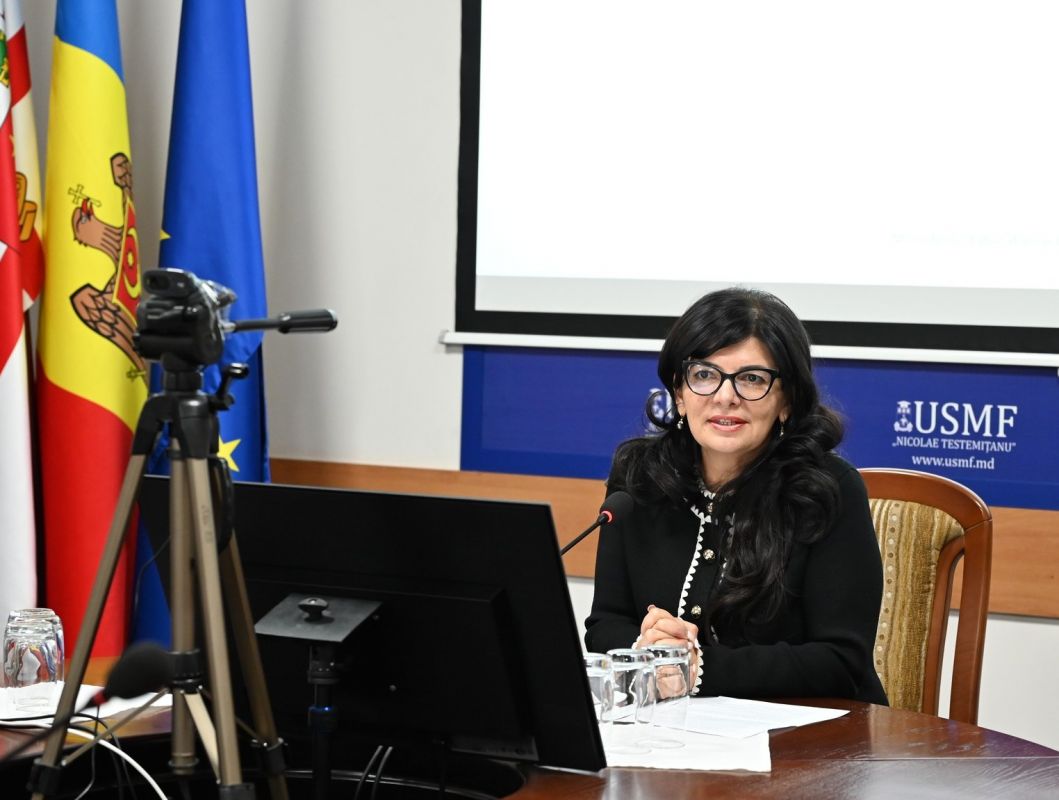
 At least 13,500 students from all higher education institutions of the country will be trained, by the end of this year, on a new course - "Ethics and Academic Integrity". The course was recently developed under the aegis of the Ministry of Education and Research of the Republic of Moldova (MEC), at the recommendation of the European Commission, in the context of our country's accession process to the European Community.
This initiative is part of the reform agenda, related to the Growth Plan of the Republic of Moldova for the period 2025-2027, the Sectoral Anti-Corruption Plan in the field of education for the years 2025-2026, the National Development Strategy "European Moldova" and the National Development Plan for the years 2025-2027.
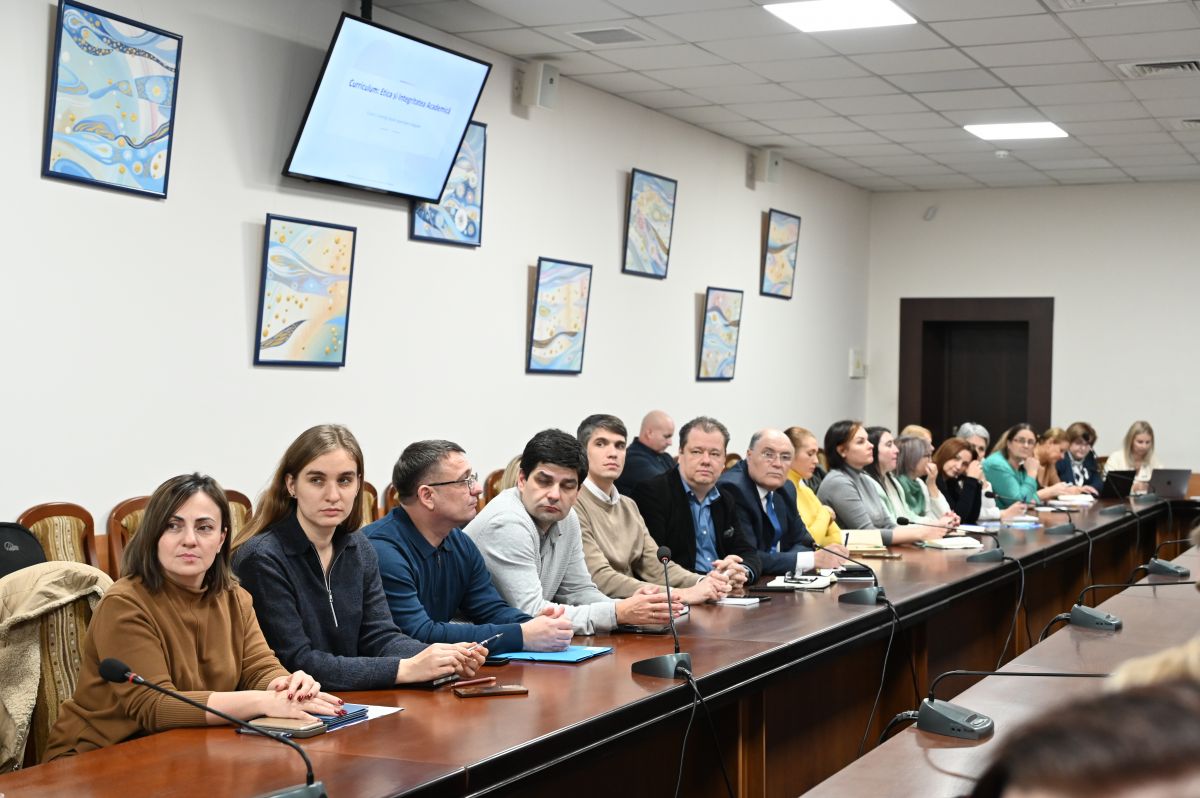
On November 24, 2025, Nicolae Testemitanu State University of Medicine and Pharmacy of the Republic of Moldova hosted an information session for trainers from Ion Creangă State Pedagogical University, the Technical University of Moldova and from our university - teachers who will teach the “Ethics and Academic Integrity" course.
Adriana Cazacu, State Secretary at the Ministry of Education, stressed that these actions aimed to promote an institutional culture based on integrity and encourage meritocracy in the academic environment, reducing the phenomenon of plagiarism and academic fraud. "A series of concrete measures have been taken to achieve these actions. A working group was established, by Order of the Minister of Education and Research, which developed a curriculum for the Ethics and Academic Integrity course, to have a unified vision of this discipline. At the same time, each university, based on the specifics of the institution, has the freedom to teach this discipline in the most convenient and practical way," Adriana Cazacu stated.
The official has specified that, according to the established objectives, universities are to ensure the training of 50% of undergraduate students, which represents a total of 54 thousand students. This year, about 13,500 students will be trained, and a similar number - in 2026. Financial resources are provided for the implementation of these actions, and a rigorous documentation and reporting mechanism has also been established.
At the same time, activities on academic integrity do not only refer to student training but also involve the organization of information and awareness-raising actions, including a national conference (December 8, 2025), the "Integrity is your choice" campaign, as well as a flashmob (December 9), on International Anti-Corruption Day. The conference will present the results of the second survey on academic integrity conducted in the country’s universities. Adriana Cazacu emphasized that the MEC expressed its confidence that the actions taken would contribute to strengthening the culture of integrity and advancing the Republic of Moldova on its European path.
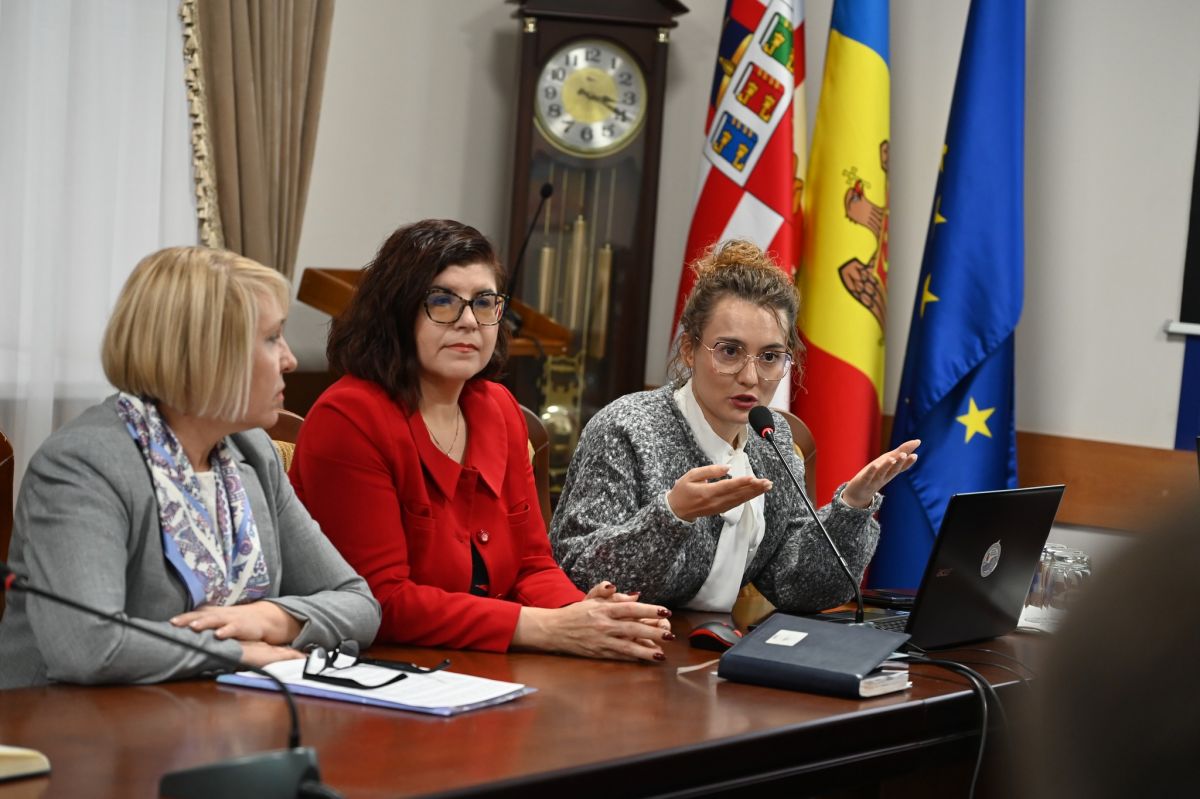 According to Natalia Gavrilan, vice-dean of the Faculty of Law at the State University of Moldova, the curriculum includes four modules, equivalent to four pairs of classes (8 hours), which can be completed in any order, as each topic is designed to be independent. "The objective of completing the four modules is to develop the necessary skills to strengthen the culture of integrity at the university level, the curriculum being adapted for all specializations," the vice-dean noted.
Module 1 – Legal Regulation of Integrity – represents an introduction to the legal framework regarding integrity, typologies, fundamental principles and standards of conduct, as well as institutional mechanisms for promoting integrity in academia.
Module 2 – Academic Integrity and Respect for Intellectual Property – describes the concept of academic integrity, the correlation with freedom of research, forms of violation (plagiarism, self-plagiarism, data falsification), copyright, correct citation and the use of anti-plagiarism tools.
Module 3 – Risk areas and behaviors that compromise integrity – represents an analysis of the phenomenon of academic corruption, conflicts of interest, the legal regime of gifts, nepotism and favoritism, with real case studies involving both students and faculty.
Module 4 – Legal Liability for Integrity Violations – indicates the types of liability (disciplinary, contraventional, civil and criminal), procedures for ascertainment and investigation, the role of integrity committees and the consequences of applying sanctions.
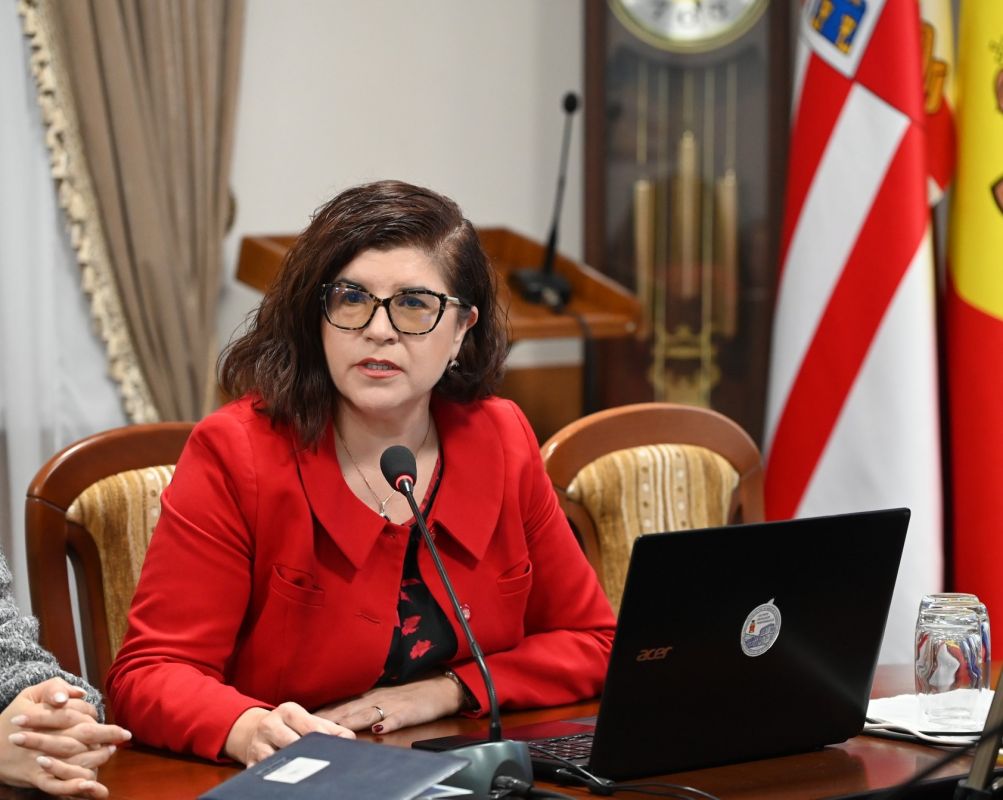 Associate Professor Tatiana Novac, Head of the Legal and Human Resources Department of Nicolae Testemitanu University, spoke to the audience about the methodological resources for the “Ethics and Academic Integrity” course, which include PowerPoint presentations, case studies, tests and bibliography for each of the four modules. Each university and teaching staff member can adapt the materials, change the order of the topics and add relevant case studies, provided that the approved curriculum is respected. Upon completion of the course, students will receive certificates of participation, indicating the respective grades.
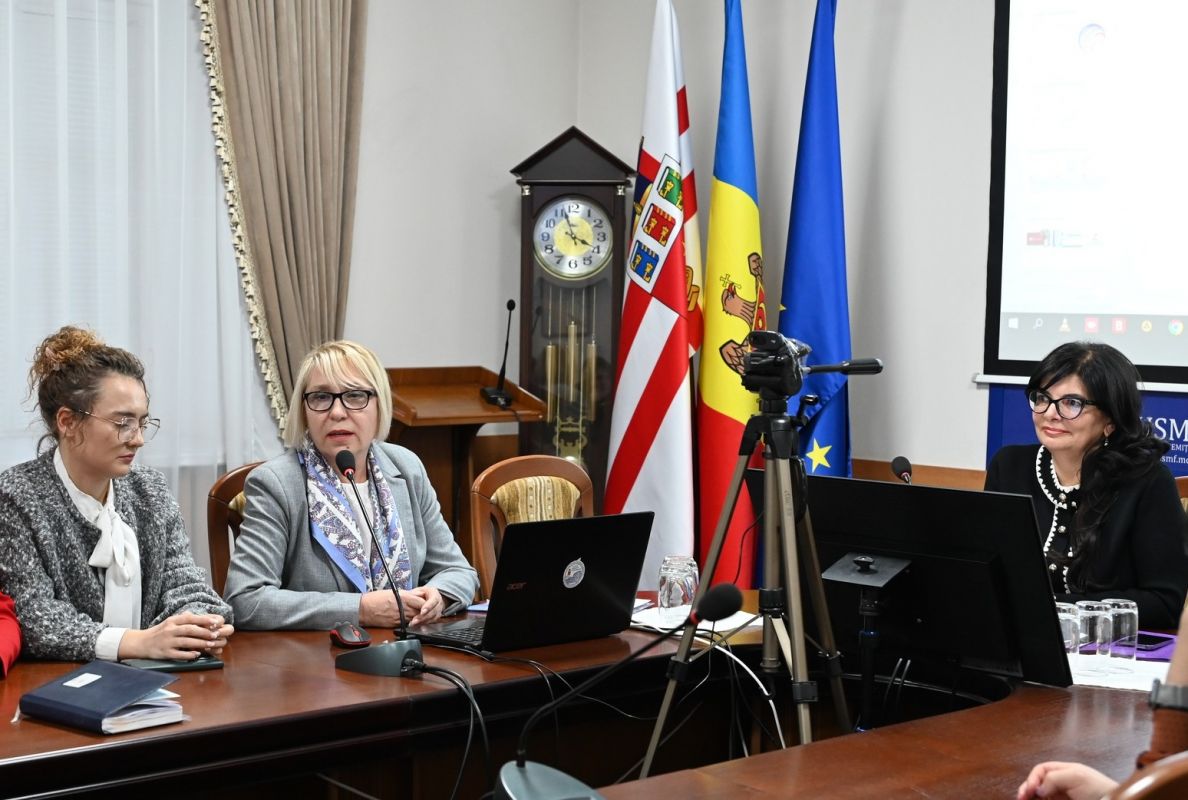
"In support of the action launched by the MEC, university libraries shall assume the role of teaching staff partners, having rich experience in promoting the values of academic integrity, ensuring user information, translating the necessary materials and supporting the implementation of information culture courses in all groups, including those studying in Russian, especially for foreign students transferred from Ukraine," said Natalia Cheradi, director of the Scientific Library of the Academy of Economic Studies of Moldova. She reiterated that university libraries provide students with access to digital collections and training on effective information search and management strategies. During these sessions, international bibliographic reference management tools are also presented, such as Zotero, EndNote, Mendeley, etc. In the context of accelerated digitalization, libraries provide support to beneficiaries in developing correct citation skills, responsible use of online sources and understanding the differences between plagiarism and similarity.
At Nicolae Testemitanu State University of Medicine and Pharmacy, the course "Ethics and Academic Integrity" will be held on Thursday, November 27, starting at 8:00 AM, for all students from undergraduate and integrated study programs.
Preluarea informației de pe site-ul USMF „Nicolae Testemițanu” poate fi efectuată doar cu indicarea obligatorie a sursei și a linkului direct accesat pe www.usmf.md.
© USMF, 2023. All rights reserved.
Comentarii